
14 Things You Should NOT Do in Tenerife (And Why It Matters)
14 common Tenerife travel mistakes, with local advice on ocean safety, Teide permits, driving, food and exploring beyond the resorts.

We’ve been living in Tenerife for over four years, but we see the same scenes play out over and over again. Tourists climb over safety fences to take photos of the waves during storms, light fires in mid-July, stray from the trails in Teide National Park, and pick endemic plants. Any of these actions can result in steep fines.
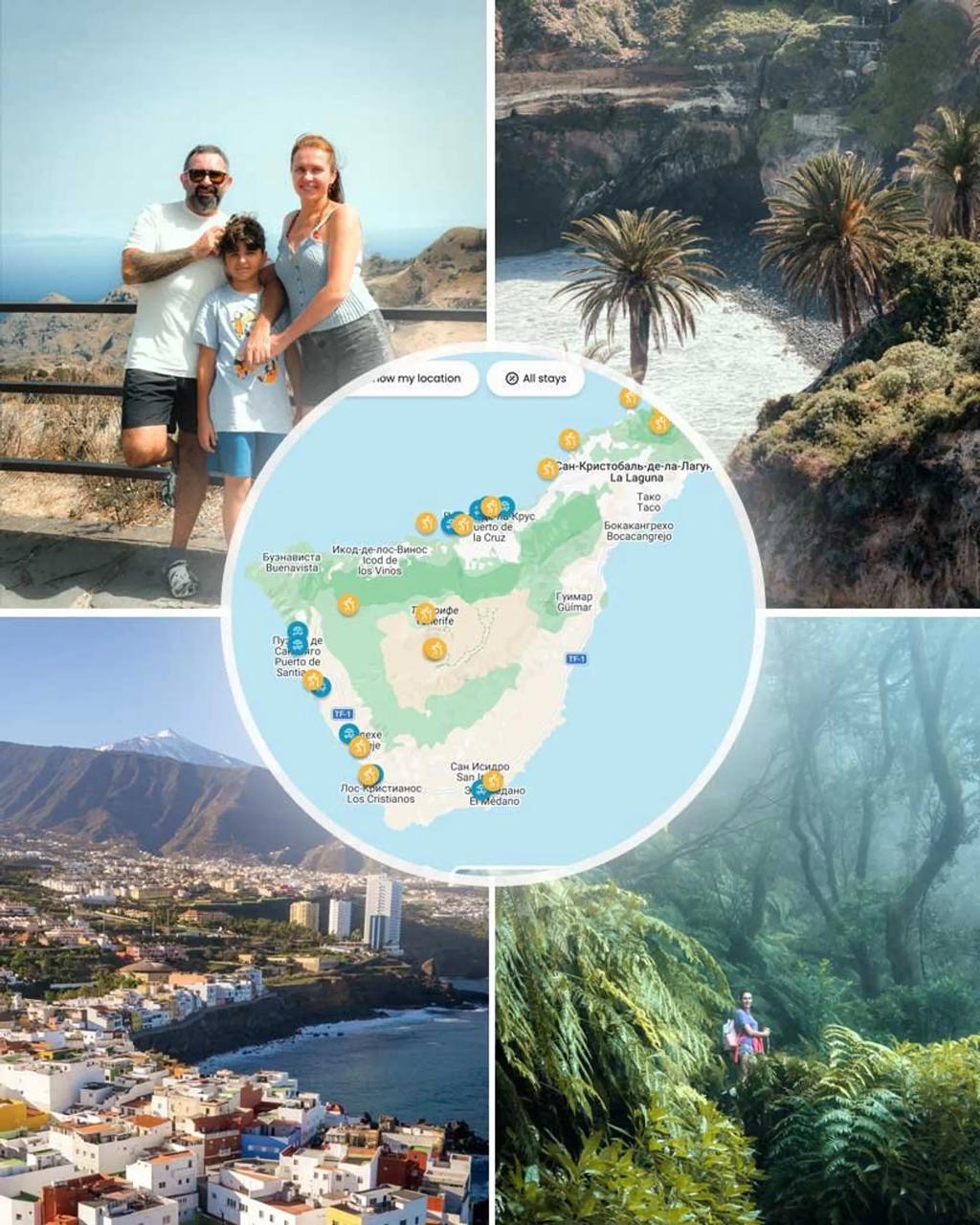
Explore Tenerife with Our Premium Guide
Save planning time with our personally tested locations, practical tips and an interactive map of Tenerife.
Some links are affiliate links. If you book through them, we may earn a commission at no extra cost to you.
Planning to explore beyond your resort?
Compare rental companies, pickup locations and conditions. Choose a car you feel comfortable driving on Tenerife’s mountain roads.
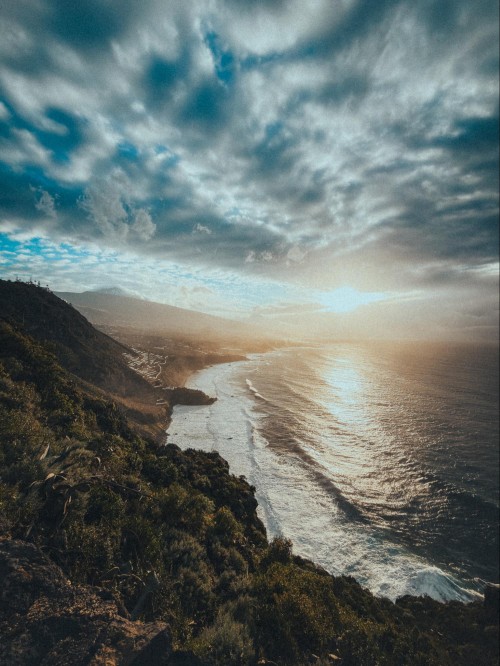

The island welcomes millions of people from all over the world every year, and most return home with wonderful memories. But some don't, and the reason is almost always things that aren’t mentioned in tourist brochures. We've prepared a list of Tenerife tourist mistakes that could cost you money, time, or even your life.
1. Don't Ignore the Weather Warnings
Tenerife sits in the open Atlantic, and conditions can be very different from one coast to another. A sunny morning at your hotel does not tell you what the sea, mountain roads or hiking trails will be like later in the day.
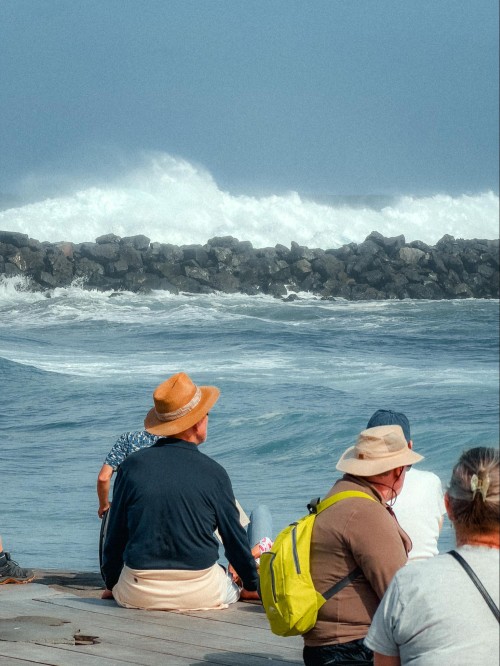
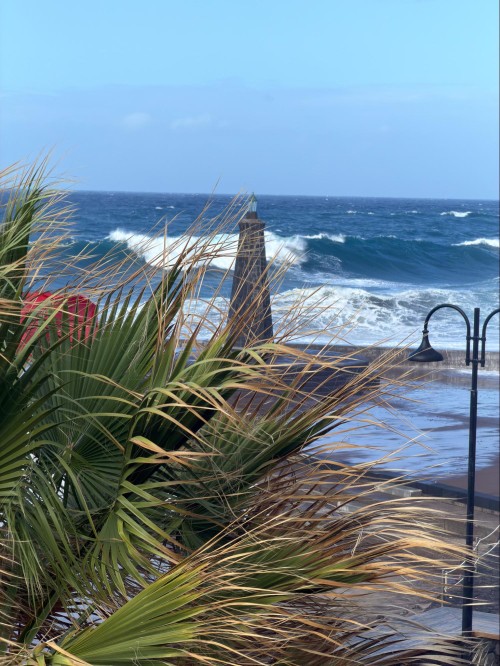
Rough seas have caused fatal accidents on Tenerife. Never approach an exposed pier or rocky shore to photograph storm waves.
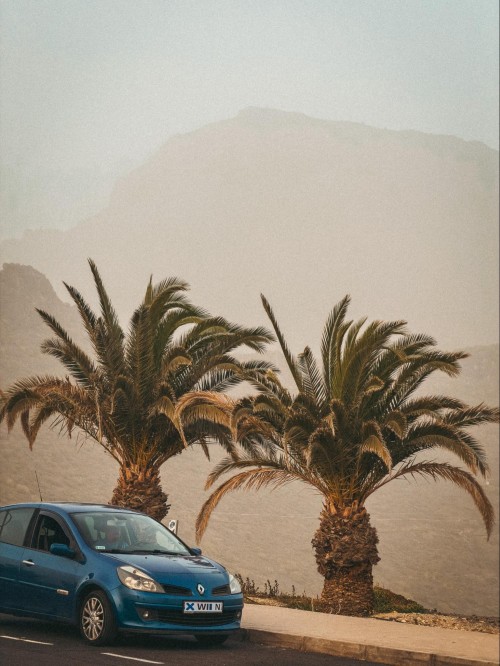
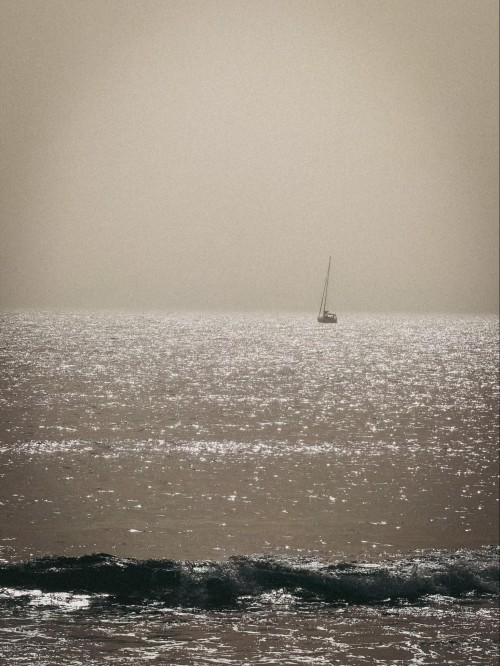
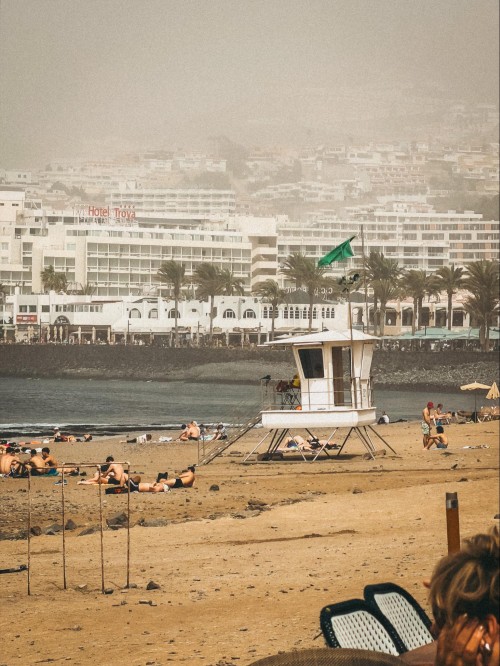
Waves are not the only weather hazard. Calima brings Saharan dust and can coincide with heat and poor visibility. Check the local forecast and official health advice rather than assuming hazy weather is harmless.
Stay away from barrancos during heavy rain or flood warnings. These mountain ravines may look dry before a sudden rise in water. Rain also makes mountain roads and stone paths slippery, so allow extra time and change your plans when conditions deteriorate.
Before setting off:
- Read the AEMET warnings for your destination, hazard and time of day.
- Check Tenerife ON alerts for trail and facility restrictions.
- Follow official instructions and local closure signs. A weather warning colour alone is not a description of every activity you can safely do.
If your plan involves rough seas, exposed mountains or a ravine affected by a warning, choose another activity.
2. Never Cross the Red Flag or Duck Under the Barrier
The danger of Tenerife’s waves simply cannot be underestimated. In the Atlantic, the ocean can look completely calm, but within just a few hours, the conditions can change completely.
Four swimmers died after a wave struck Isla Cangrejo in December 2025. Reported by Associated Press / The Guardian.
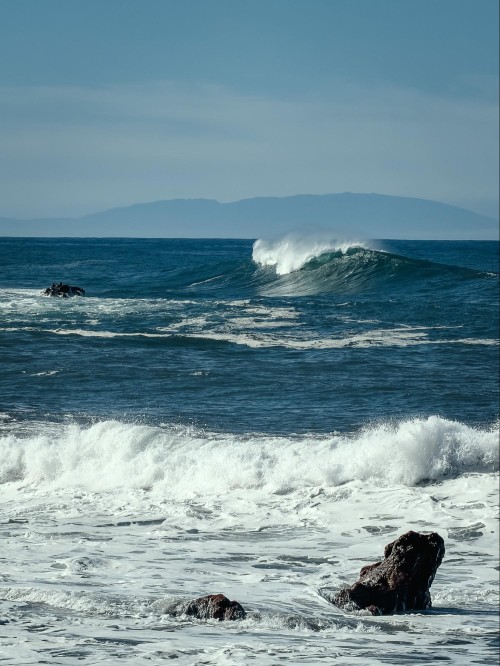
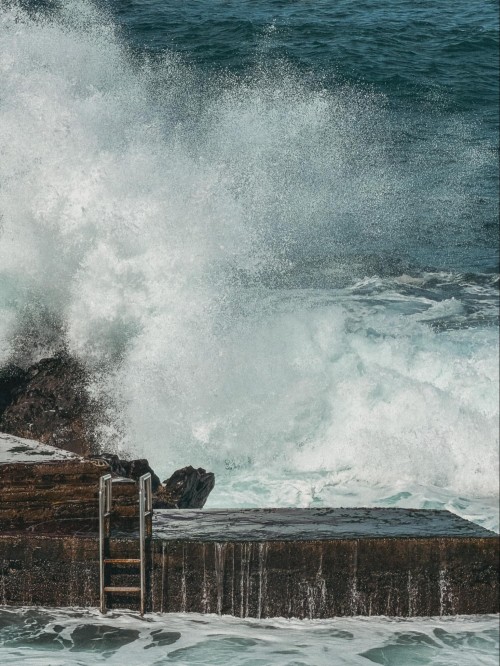
A red beach flag means you must not swim. Fences, warning tape and closure signs also apply to natural pools and access paths, even if other visitors ignore them. Follow the lifeguards and local authorities.
The natural pool in Los Gigantes is one of the most beautiful places on the island, but also one of the most dangerous when the sea is rough. Piers and promenades are also high-risk zones because of how quickly sudden waves can hit.
Remember: If a red flag is flying or access to the water is blocked, just turn around. No photo is worth your life, and you can enjoy beautiful views of the waves from many safe spots across the island.
3. Don't Light Fires Without Checking Restrictions
Tenerife’s 2023 wildfire was a reminder of how vulnerable the island’s forests are. Dry vegetation, heat and wind can turn a small ignition into an emergency.
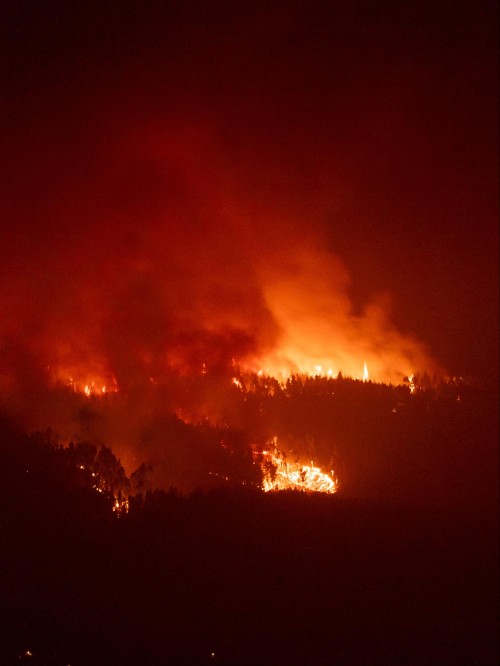
Do not light campfires or use a barbecue or camping stove unless that specific place and activity are expressly permitted at the time. Temporary restrictions can close recreational areas or prohibit equipment that creates heat or sparks. Check current official restrictions before your visit.
The often-quoted “30/30/30” combination describes dangerous fire conditions; it is not a complete legal rule for deciding whether you may light a fire. Never use it as permission to proceed. Causing a fire can have serious legal consequences, and the outcome depends on the circumstances.
For San Juan and other celebrations, check the municipality’s current arrangements. An authorised public bonfire does not mean visitors may light their own. If you see smoke or a fire, call 112 from a safe place.
4. Don't Climb Mount Teide Without a Permit
A cable-car ticket is not a summit permit. The final ascent follows PNT 10 Telesforo Bravo, which has controlled access. Other high-mountain routes, including the Montaña Blanca approach, can require separate reservations. Check the official Tenerife ON page for every trail you intend to use.
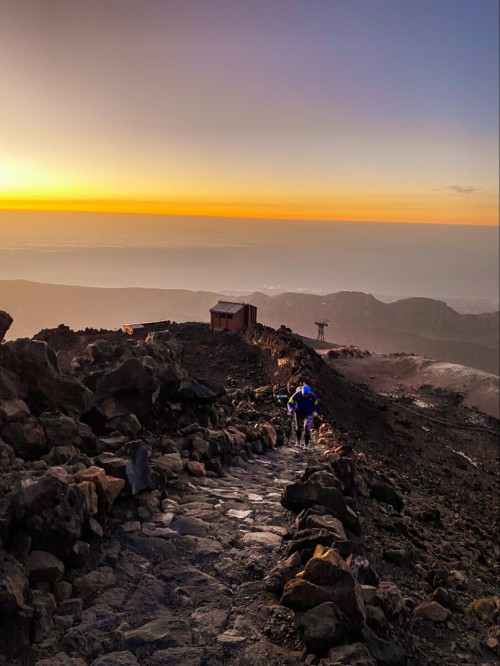
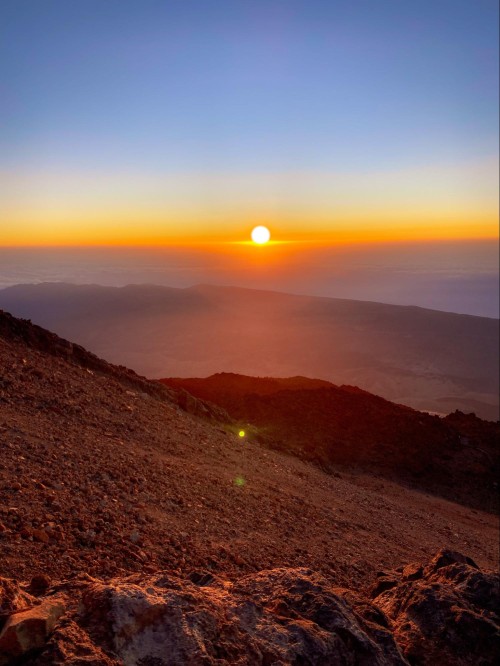
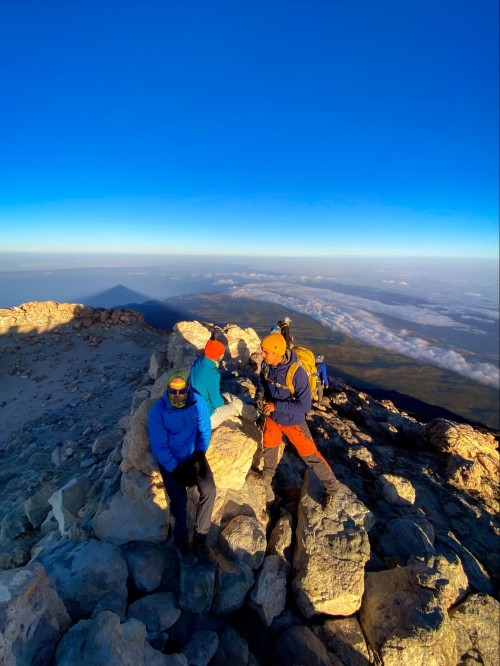
Book before making a fixed plan. Access conditions and charges depend on the route, time slot and visitor category. Do not assume one permit covers the whole climb or that walking outside the cable-car timetable avoids the rules.
Use the equipment checklist attached to your reservation. For a mountain outing, bring proper hiking shoes, warm layers, long trousers, water, a charged phone and a headlamp where appropriate. High-altitude conditions can be cold and windy even when the coast is warm.
Staff can check permits and equipment. A reservation does not override a closure caused by weather or unsafe conditions.
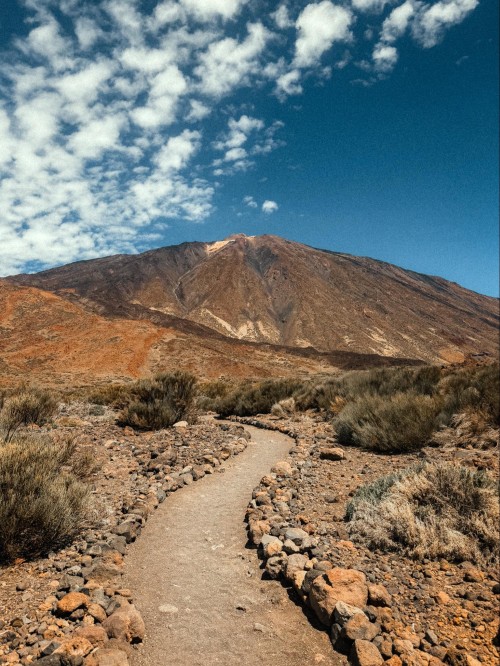
Stay on marked paths and leave flowers, rocks and other natural objects where they belong. Teide is a national park and a UNESCO World Heritage Site; respecting its access rules protects a fragile landscape.
If summit permits are unavailable, a cable-car visit to La Rambleta may still be an option when it is operating. Check ticket conditions and any onward trail restrictions. There are also viewpoints and shorter walks elsewhere in the national park that do not require a summit ascent.
Visit Teide with transport and a cable-car ticket
A convenient way to see the high volcanic landscape with transport and a cable-car ticket included in the listed experience. The cable car does not take you to the summit itself; summit access requires separate permission. Check weather and altitude restrictions.
5. Don't Fly Your Drone Without Checking
A tourist faced a possible €200,000 penalty after a 2025 festival flight; reporting did not confirm an imposed fine. Read the report.

Manufacturer maps are not enough to establish where a flight is legal. Check ENAIRE Drones before each flight and read the conditions for the exact location. Airports, protected areas, urban locations and temporary restrictions can all affect your plans.
Protected bird areas and other environmental designations may involve restrictions or permission from the relevant authority. Do not assume all towns are bird-protection zones, or that an AESA registration gives permission to fly in a national park.
The requirements depend on your drone, its operation and the place of flight. Check operator registration, pilot competence, insurance and geographical-zone conditions with AESA. For location-specific rules, use its geographical zones guidance. Never fly over a crowded festival because other drones are visible.
6. Never Leave Anything in Your Rental Car
Viewpoints and trailhead parking areas deserve the same care as any tourist destination. A locked rental car is not a safe place to store passports, cameras or laptops.
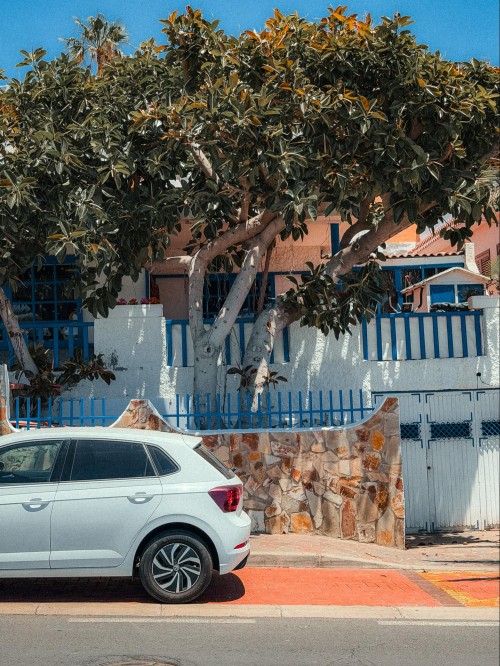
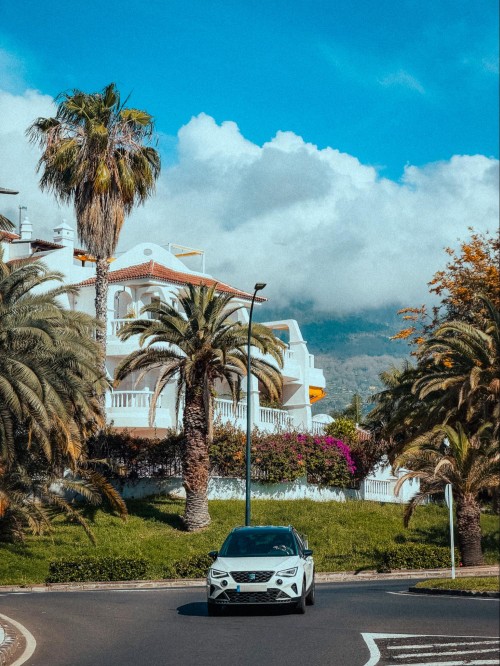
Keep valuables with you and avoid leaving bags on display. If you need to put ordinary luggage in the boot, do so before arriving at your stop rather than showing everyone what you are leaving behind. Lock the car, check it before walking away and photograph any pre-existing rental damage.
To avoid this, never leave anything valuable in your car. Take your phone, documents, and money with you and be especially careful near the viewpoints in Anaga and on the winding roads in the north.
7. Walk Away From the Timeshare Pitch
A “free gift” or winning scratch card can be an invitation to a high-pressure holiday-club or timeshare presentation. Be cautious when the real purpose of an offer is not clear.
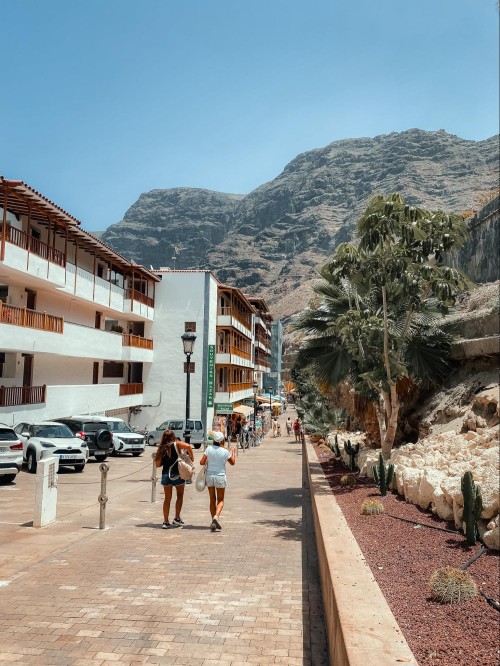
The scheme hasn't changed for decades:
- A person on the promenade hands you a scratch card or offers a "free gift," claiming you just need to attend a one-hour presentation to get it.
- The presentation is highly pressured and lasts for hours. Several "managers" will use emotional arguments and tight deadlines to push you into a deal.
- Scratch cards with "winnings" are part of the same scheme; everyone wins, but you only receive a prize after the presentation.
A gift is not a reason to sign a long-term contract. Take time to understand the total cost and ongoing obligations.
You can politely decline and walk away. If you have already signed a qualifying timeshare or long-term holiday contract, EU rules generally provide a 14-calendar-day withdrawal period, with extensions in some cases where required information is missing. Advance payments during that period are prohibited. Follow the written withdrawal procedure, keep proof and seek independent consumer advice. See the official EU guidance.
8. Don't Fish Without a License
Recreational sea fishing requires the appropriate licence, including fishing from shore. Start with the Canary Islands government’s application guidance; a commercial application service is not the issuing authority.
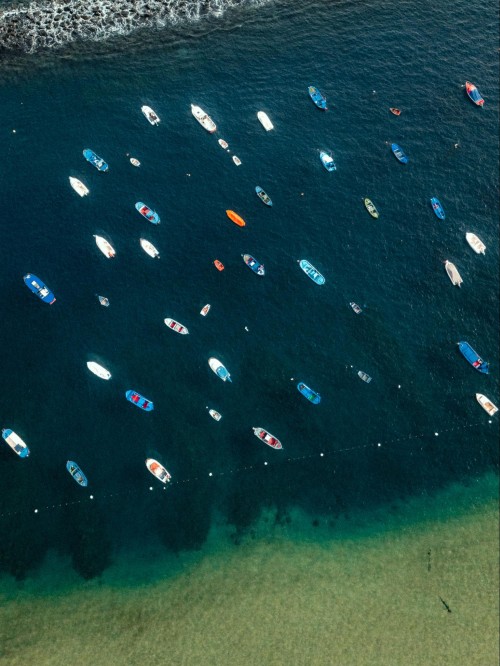
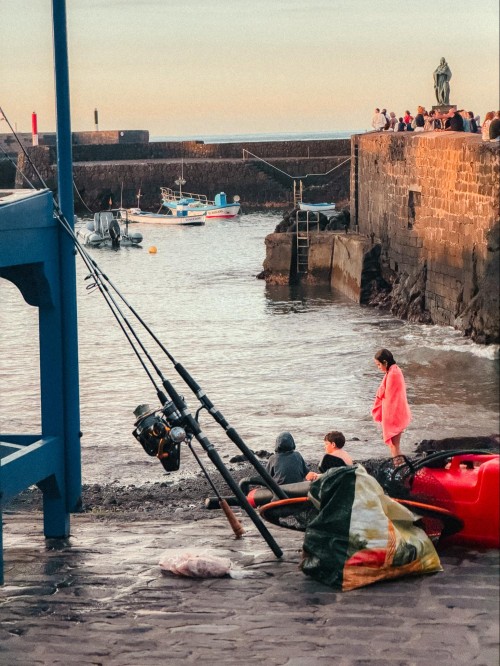
The official categories are class 1 for surface trolling from a boat, class 2 for spearfishing, and class 3 for surface fishing from shore or a boat without surface trolling. Licences normally last three years. Check the official licence categories and current government fee before paying; a service provider may charge extra.
A licence does not allow fishing everywhere or taking any species. Check local exclusions, permitted gear, minimum sizes, catch limits and marine-reserve rules. Shellfish gathering has separate requirements. The government also publishes current PescaREC reporting information. If booking a fishing trip, ask the operator which permissions cover your activity.
9. Don't Eat Only at Tourist Restaurants
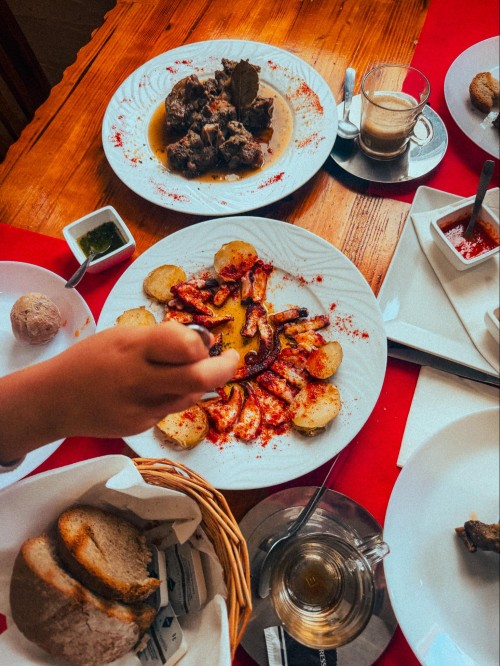
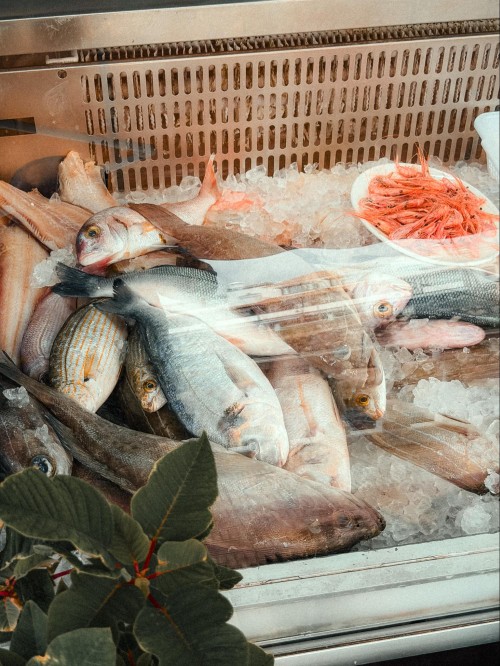

We highly recommend visiting a guachinche at least once. Traditional guachinches are associated with local wine and simple Canarian dishes, especially in the north. Some places using the name operate more like conventional restaurants, so check the menu and opening hours. Prices vary; the appeal is the food, wine and atmosphere rather than a guaranteed cheap bill.
Look around the La Orotava Valley, Tacoronte and the wider northern wine-growing areas. You may find handwritten menus and a busy local lunchtime crowd. Ask what is cooked that day and order a few dishes to share.
One thing to watch out for at seafront restaurants (especially in places like La Caleta) is fish sold by weight. It's common practice, but the bill can surprise you. Ask the waiter to show you the weight before they cook it, or at least confirm the price upfront.
10. Don't Stay Only in the South
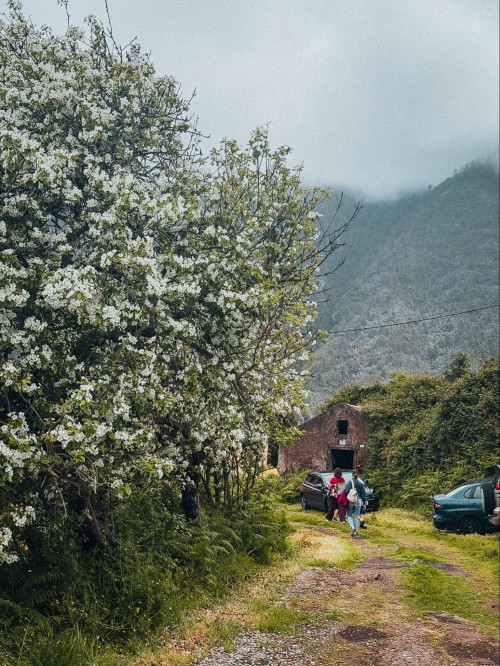
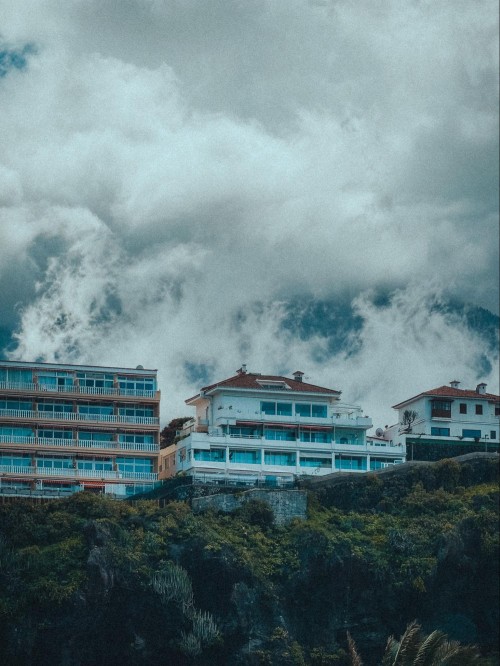
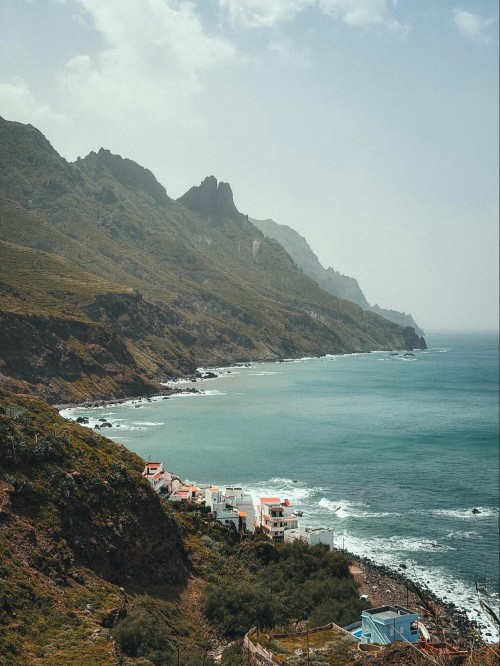
The north offers a different side of Tenerife: the laurel forests and ridges of Anaga, a UNESCO Biosphere Reserve; historic Garachico; and Puerto de la Cruz, where we live. These are popular places too, but exploring on foot reveals far more than a quick coach stop. Bring a layer and be prepared for changing weather.
Explore Anaga with a local guide
A guided mountain day can make planning easier. Check the walking difficulty, meeting point and transfer coverage before booking.
11. Don't Ignore Sustainable Tourism
Tourism is central to the Canary Islands’ economy, but visitors also share a place where people live and work. Housing, water use, traffic and pressure on natural areas are part of the local discussion.
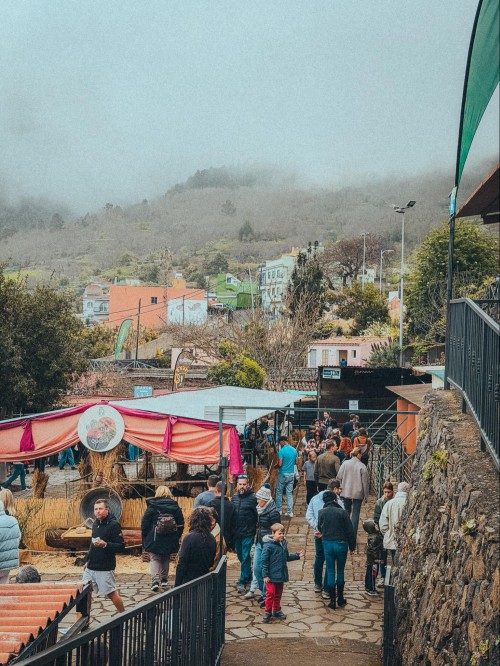

The tourism protests that began attracting international attention in 2024 raised concerns about the model of development and its impact on residents. It is worth listening to those concerns while planning how and where you spend your holiday budget.
Do not reduce the debate to “locals dislike tourists.” Views differ, and respectful visitors can make thoughtful choices: support local businesses, avoid blocking residential access and treat neighbourhoods as places where people live.
What you can do as a tourist:
- Eat at local restaurants and guachinches.
- Hire local guides instead of big international tour companies.
- Rent accommodation from local owners where possible.
- Respect natural areas and wildlife.
Tenerife is not a theme park. Respectful tourism is about the everyday decisions you make, from how you park to the businesses you support.
12. Don't Pack Too Much into One Day
It's true that Tenerife is a fairly compact island, and you can easily drive between the north and the south in a single day. However, the mountain roads can easily throw off your plans. If you want to visit Teide in the morning, Anaga in the afternoon, and then watch the sunset in Los Gigantes, you’ll definitely want to reconsider your route.
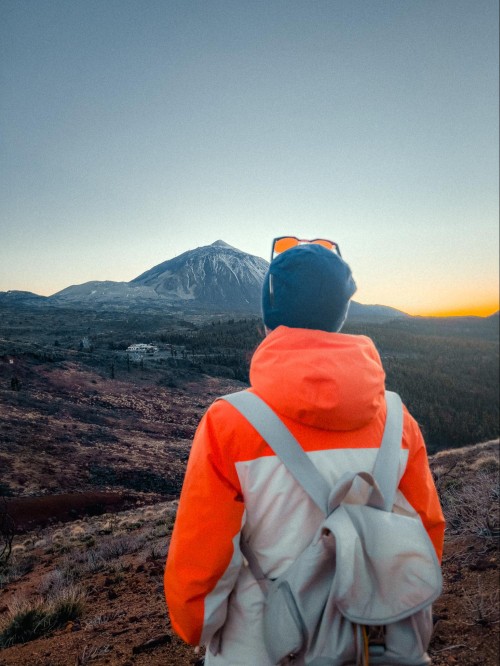
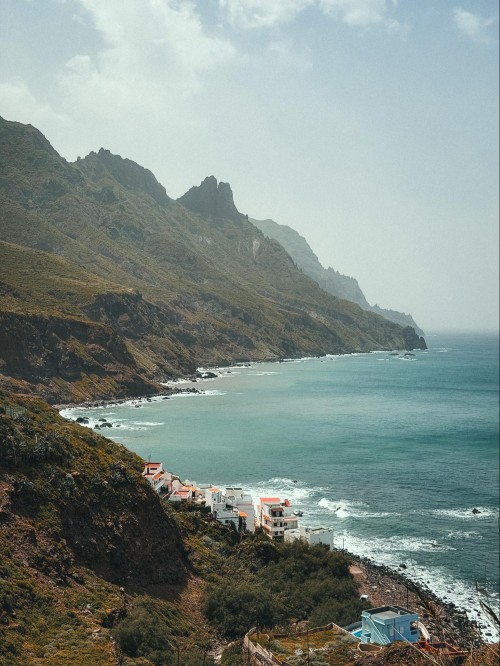
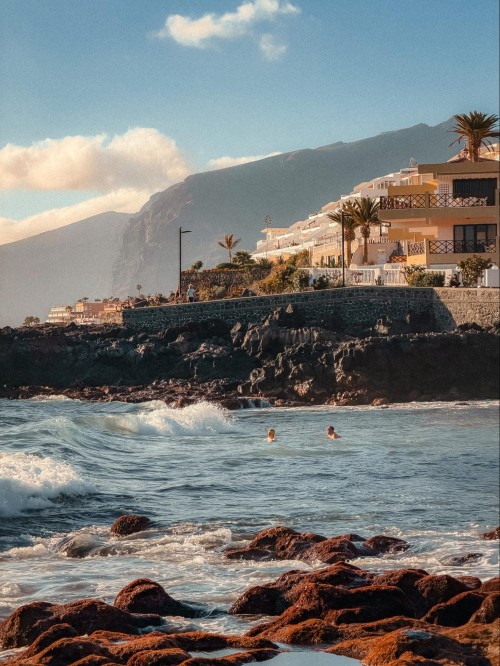
A route may look short on the map, but bends, traffic, parking and photo stops all add time. Use current travel estimates and leave a buffer. We would choose one main region for the day rather than combining Teide, Anaga and Los Gigantes into a race.
13. Don't Assume Tenerife Is Only Beaches
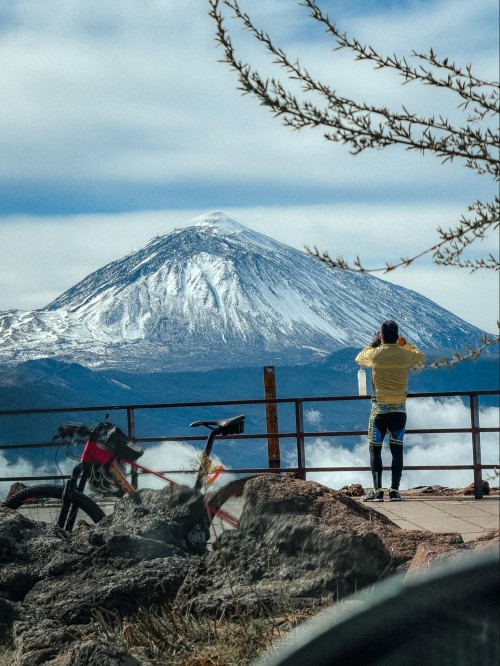
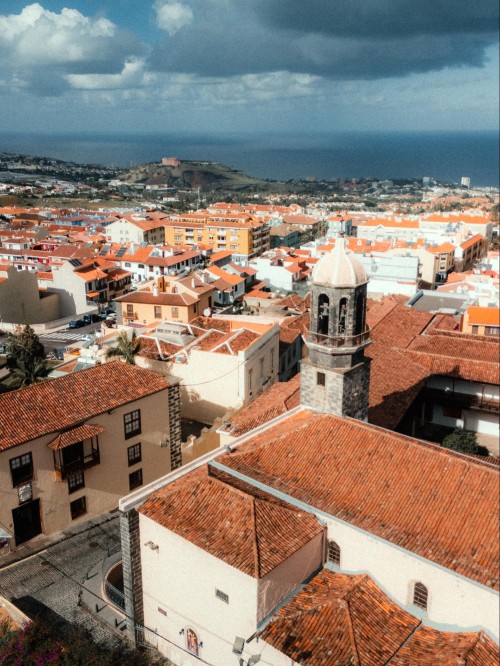
Tenerife has dozens of beautiful beaches; there's no denying that. But beyond the sun loungers and cocktails on the southern shores, or the dramatic views and crashing waves in the north, the island has much more to offer. At the center of the island is Spain's highest point, Mount Teide, alongside breathtaking ridges and trails, ancient laurel forests, and historic towns steeped in history.
See Teide at sunset and under the stars
Swap the daytime trails for an evening in the volcanic landscape and guided observation of the night sky. Choose the pickup and meal option that suits your plans; clear skies are never guaranteed.
14. Don't Skip Tenerife's Hidden Villages
Famous places such as Teide, Los Gigantes and Siam Park attract attention for good reason. But small towns and mountain villages deserve time too. Leave space for a walk, a coffee and the views instead of collecting stops.
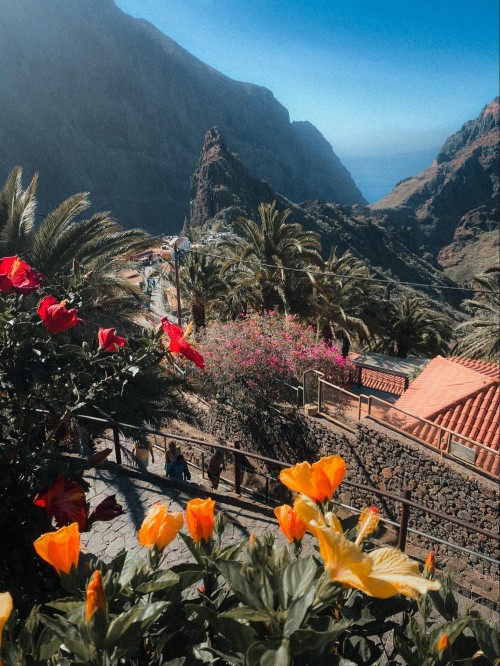
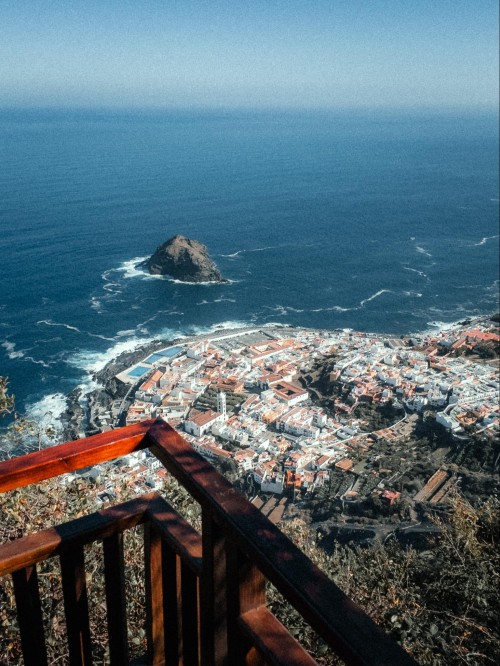
Masca, Garachico and Chinamada each show a different part of the island: mountain scenery, a historic harbour town and traditional cave houses. They are not all hidden or quiet, especially at peak hours. Visit considerately, park only where permitted and respect private homes.
Planning a Masca Gorge hike?
The village visit and gorge descent are different outings. This guided gorge experience includes the stated boat and ground transfers; check footwear, fitness and cancellation conditions.
And a Few More Things…
A few more practical habits make the trip easier:
- Use licensed taxis. Check the meter or applicable fare and ask for a receipt. Do not assume a particular ride-hailing app covers every part of Tenerife.
- Cover up away from the beach. Wear suitable clothing in shops, restaurants and residential streets, and follow local signs.
- Leave nature untouched. Do not pick protected plants, take rocks from protected areas or disturb wildlife.
- Save 112. It is the emergency number to call when urgent assistance is needed.
Why Knowing This Makes the Trip Better
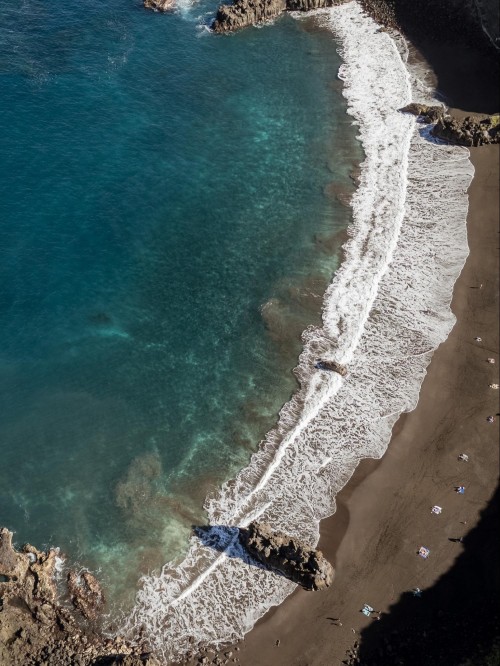

Tenerife is truly an amazing island. It's home to a massive volcano, ancient laurel forests with prehistoric origins, charming fishing villages, historic colonial towns, and incredible views of the Atlantic. Now, you know what to avoid in Tenerife. Come prepared for your trip, and you’ll enjoy the island much more safely and comfortably.
Our Top 5 Recommended Tenerife Experiences
Looking for a well-planned day out? These are five experiences from our recommendations. Check pickup locations, the exact inclusions and current conditions before booking.
1. Sail from Los Gigantes and look for whales
A relaxed ocean day between hikes, with views of the cliffs and a small-group sailing-boat experience. Wildlife sightings depend on nature; swimming stops depend on sea conditions.
2. Teide sunset and stargazing
Swap the daytime trails for an evening in the volcanic landscape and guided observation of the night sky. Choose the pickup and meal option that suits your plans; clear skies are never guaranteed.
3. Teide cable car with transfer
A convenient way to see the high volcanic landscape with transport and a cable-car ticket included in the listed experience. The cable car does not take you to the summit itself; summit access requires separate permission. Check weather and altitude restrictions.
4. Sea Trek underwater walk
Try a guided underwater walk in Los Cristianos using a special diving helmet. A different way to experience the island’s coast; check the operator’s age and health requirements before booking.
5. Kayak and snorkel along the volcanic coast
An active alternative for a day away from the mountain trails. Paddle along Tenerife’s coastline and explore the marine environment with a guide. Check swimming requirements and sea conditions; wildlife encounters cannot be promised.
More Tenerife planning guides
A day in Puerto de la Cruz · 12 scenic Tenerife hikes
Updated 17 September 2026. Check the linked official sources for current restrictions, permit conditions and fees before your visit.